Master’s Thesis Projects
Each year, I supervise two to three master’s thesis students. If you are interested in any of these research directions, please feel free to contact me (ruoli@kth.se) and include your CV and academic transcript.
Major Research Directions
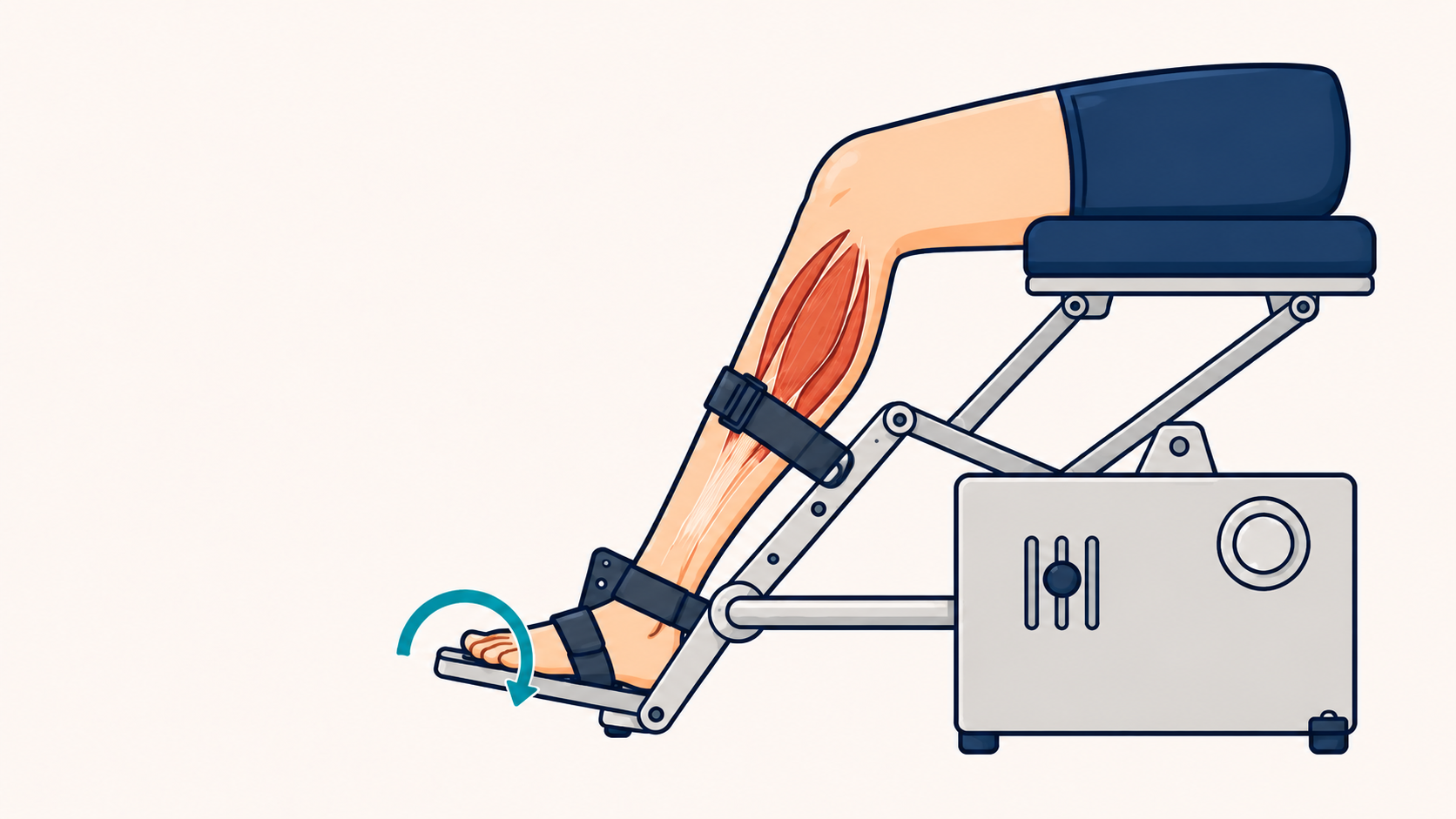
Instrumental spasticity quantification and modeling
This research develops objective methods to quantify spasticity and distinguish its neural and non-neural contributions. By integrating biomechanical measurements, electrophysiological signals, and neuromusculoskeletal modeling, it aims to characterize altered reflex responses and muscle–joint mechanics and support more individualized treatment evaluation.
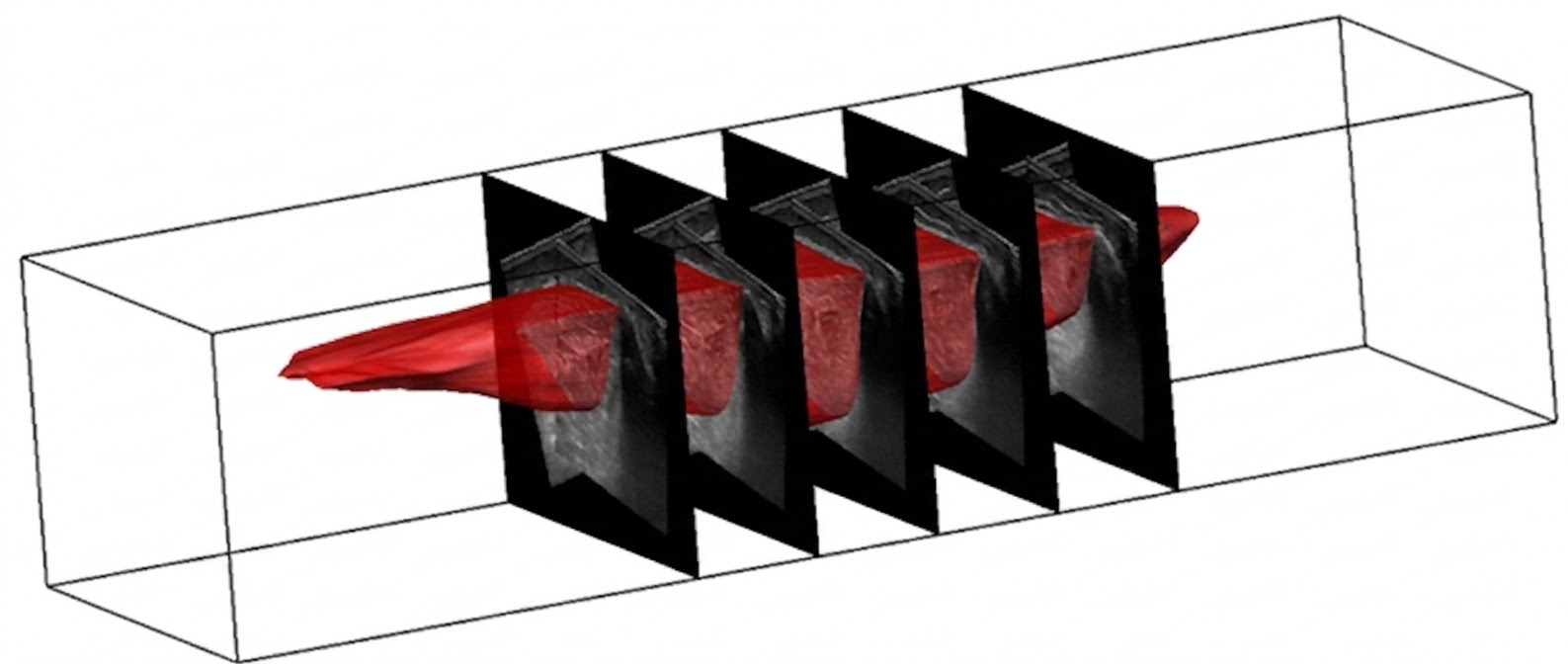
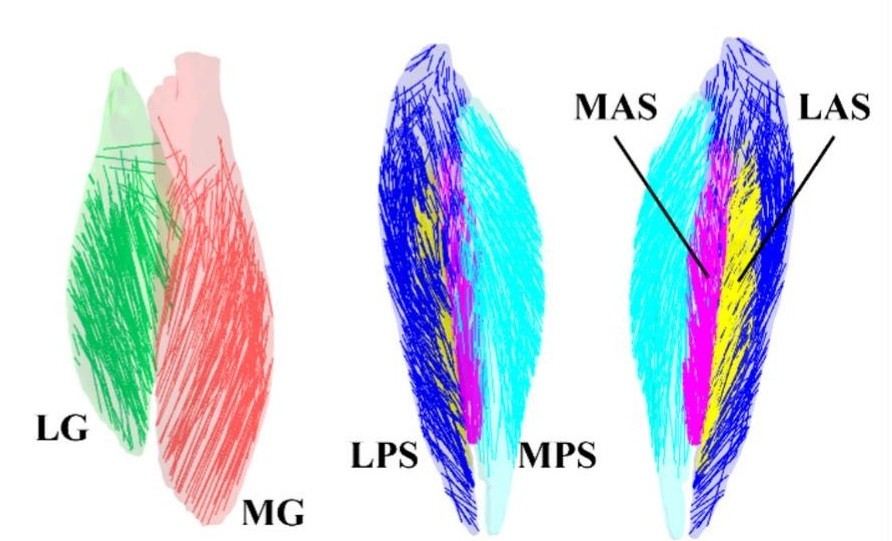
In vivo quantification of muscle morphology, composition and mechanical properties using medical imaging and modeling techniques
This direction focuses on non-invasive assessment of muscle structure and function using 2D ultrasound, 3D freehand ultrasound, MRI, biomechanical measurement and computational modeling. Methods are developed to quantify muscle volume, architecture, composition, and mechanical properties, providing imaging-based biomarkers for neuromuscular and musculoskeletal disorders.
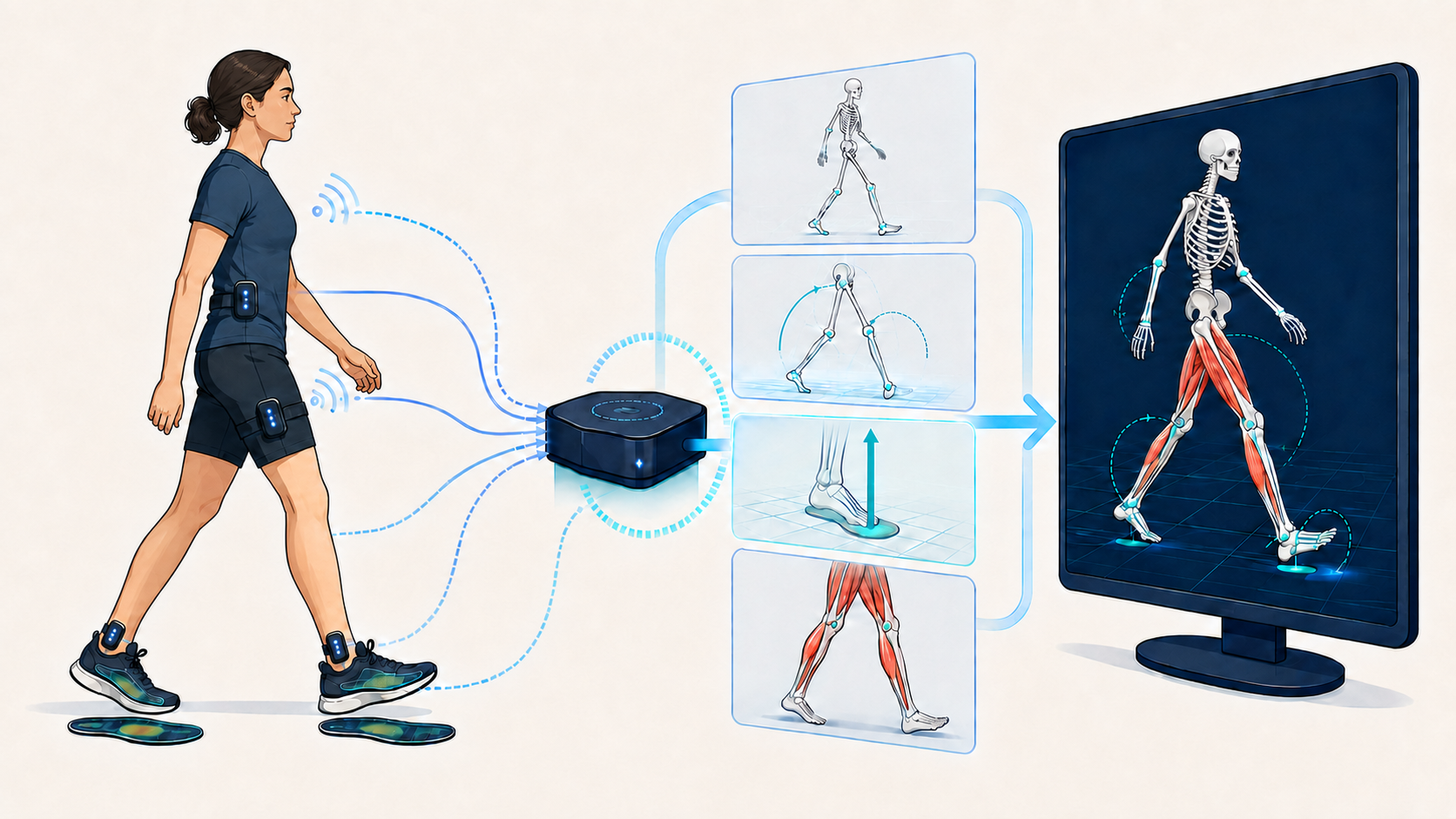
Real-time wearable sensor based motion analysis platform
This research develops digital platforms that combine inertial sensors, pressure insoles, other wearables and biomechanical models to capture human movement in real time. The aim is to extend motion analysis beyond specialized laboratories and enable continuous, clinically relevant assessment in rehabilitation and everyday environments.
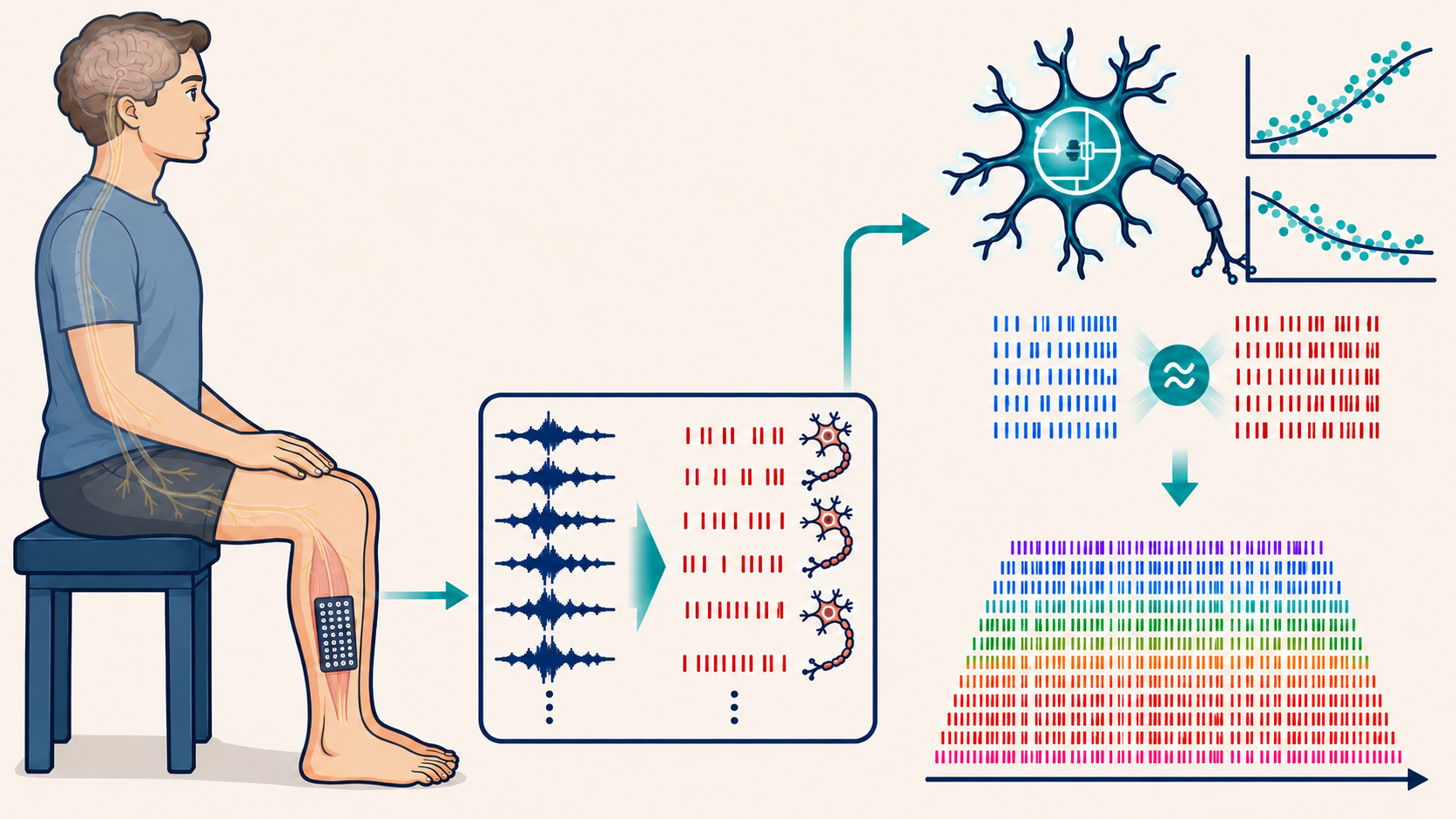
Neuromechanics of skeletal muscles using high-density EMG and spiking neuron model
This direction investigates how neural commands are generated, distributed, and transformed into muscle force and movement. High-density EMG decomposition is integrated with motor-unit and spiking-neuron models to characterize motor-unit recruitment, firing behaviour, shared neural input, and neuromuscular adaptations associated with neurological disorders.